An Organized Home Isn’t Always a Functional Home
A tidy home can still be hard to live in. Here’s how to build routines and spaces that work on an ordinary Tuesday.


A tidy home can still be hard to live in. Here’s how to build routines and spaces that work on an ordinary Tuesday.

Everyday tasks may be harder because of the steps and obstacles around them. See how environmental supports can help.

A calendar can show the plans while one person still carries all the remembering. Build a family command center with clear next steps, shared ownership, and usable support.

A home system needs to work during an ordinary week—and give you a way back after a difficult one. Use five practical checks to plan routines, support, maintenance, and restarting.
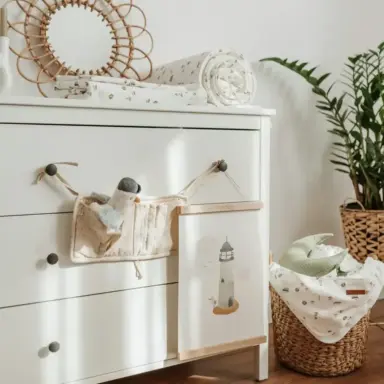
Build ADHD-friendly home systems with visibility, point-of-use storage, fewer steps, broad categories, and realistic recovery plans.
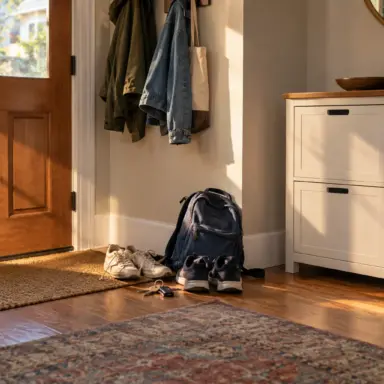
When organizing systems demand constant memory, decisions, and maintenance, they often fail ADHD and neurodivergent people. Learn how to reduce friction.
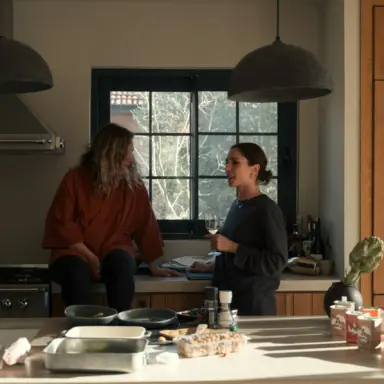
ADHD-friendly home organization can include hands-on help, coaching, and systems that make daily tasks easier to start and maintain in your Atlanta home.

ADHD-friendly home organization in Decatur can pair hands-on help with practical systems for laundry, papers, meals, and other daily household routines.

Grief, illness, and major transitions can disrupt routines and change what a home needs. Explore practical, compassionate ways to regain a workable starting point.

If items seem to disappear once they are put away, working memory may be shaping the clutter. Use visibility without giving up order.
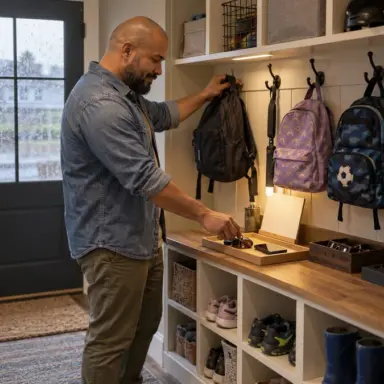
When your home relies on memory for every small task, daily life gets harder. Learn how visible cues and simpler systems can carry more of the mental load.
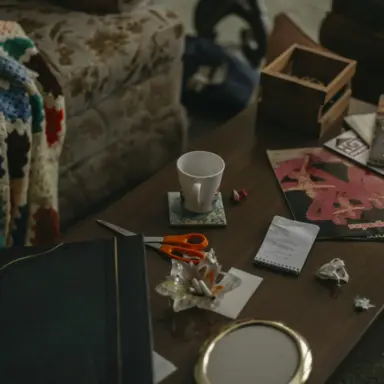
Clutter is often information—not a personal failure. Learn how piles can reveal executive-function barriers, unclear systems, and unmet support needs.