When you’re ready for things to feel different.
ABOUT CLUTTERED SPACES
We work with people who know something needs to change but are not sure where—or how—to begin.
Many of our clients have spent years trying harder, feeling overwhelmed, or blaming themselves when life still feels difficult to manage. Lasting change does not come from more willpower. It comes from the right support.
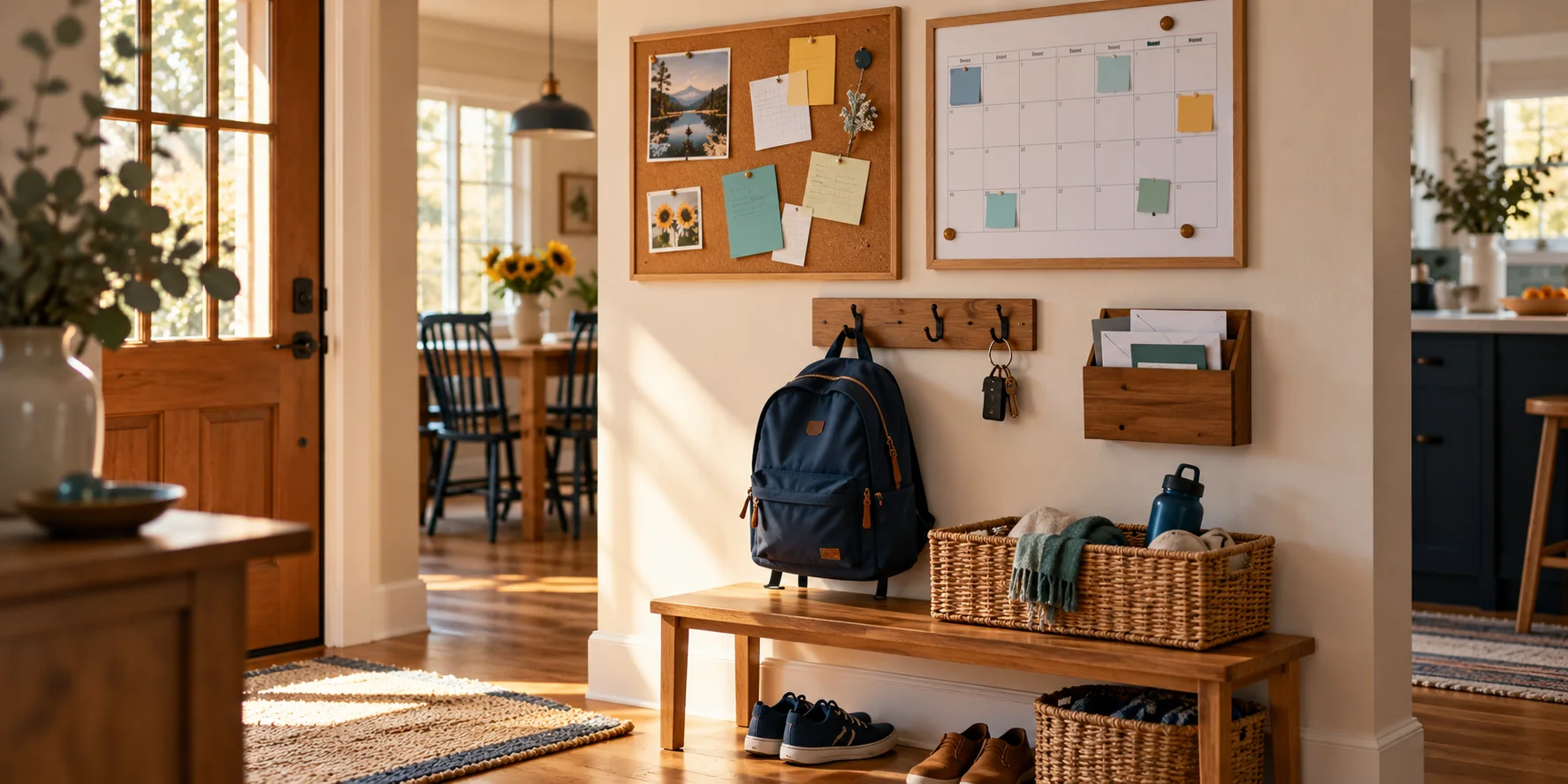
Together, we create practical systems, supportive environments, and sustainable routines that help you get unstuck, build confidence, and create a home that works for the people who live there.
Your home should make life easier—not harder.
WHAT YOU CAN EXPECT
Support without shame, pressure, or judgment.
We meet the whole person—not a list of problems to fix. Every decision is grounded in what is realistic, respectful, and useful in your actual life.
Compassion
Difficulty is information. We get curious about what is creating friction instead of assigning blame.
Dignity
You remain the expert on your priorities, your home, and the kind of support that feels right.
Respect
We work alongside you, protect your agency, and build systems you can understand and own.
MEET CYNTHIA
Coaching that continues into real life.
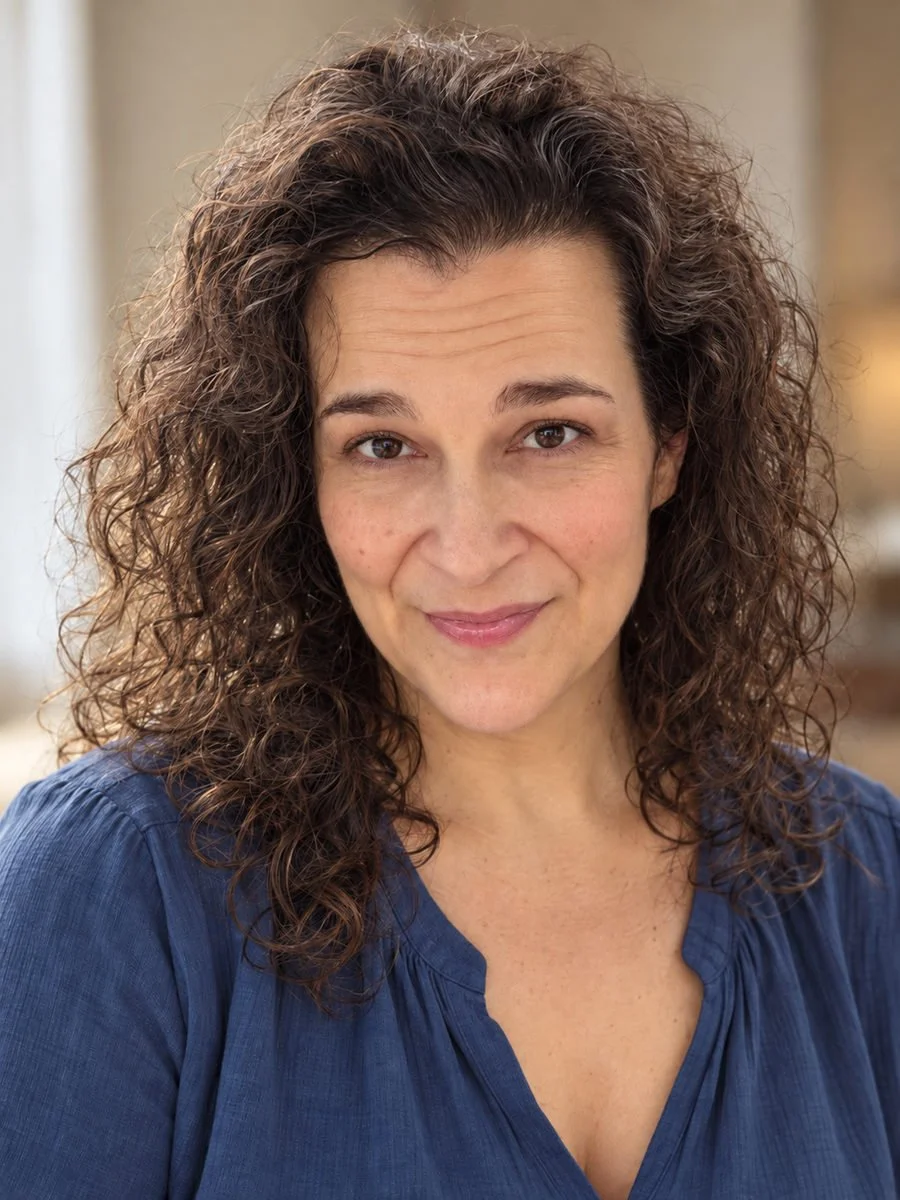
Cynthia Rusincovitch is the founder of Cluttered Spaces and a home-function and executive-function coach serving neurodivergent individuals and overwhelmed families in metro Atlanta.
Cynthia has ADHD and understands personally how executive-function challenges can affect a home, a family, and a person’s confidence. Her experience as a wife and mother in a neurodivergent family has also shown her that knowing what to do is not the same as being able to begin, organize the steps, follow through, and do it consistently.
She holds a bachelor’s degree in communication and spent nearly 30 years working in marketing. That background strengthened her ability to listen carefully, recognize patterns, make complicated information easier to understand, and turn broad goals into practical next steps.
Cynthia created Cluttered Spaces to bridge the gap between coaching and hands-on implementation. Some people do not need another plan handed to them. They need someone to help them understand what is getting in the way—and then work beside them as they begin.
Why working side by side matters
Working together in the place where life is actually happening makes it easier to identify the root cause of the friction. A task that appears simple from the outside may involve too many decisions, an unclear starting point, a difficult transition, working-memory overload, sensory discomfort, or a system that does not fit the person using it. The real challenge is often deeper than the stories people have been told—or have begun telling themselves—about being lazy, careless, unmotivated, or undisciplined.
The work may include organizing a room, cleaning alongside a client, sorting paperwork, managing appointments, practicing household routines, or developing the daily-living skills needed for greater independence. Cleaning and organizing are sometimes part of the process, but they are not the entire goal. The goal is to help each person build the skills, systems, and confidence to participate more fully in their own life.
Cynthia’s approach is evidence-informed, neuro-affirming, practical, and non-shaming. Every plan is shaped around the person’s actual needs, capacity, environment, and responsibilities—not an idealized version of how life is supposed to work.
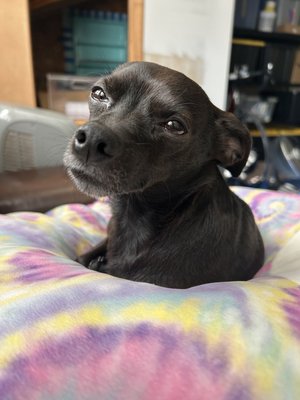
The only uncoachable member of Cynthia’s household is Boslee, the family dog. He is bad, likes to eat personal items out of the dirty laundry, is mostly forgiven because he is small and cute, and you will often find him in air jail.
OUR APPROACH
Reduce friction first. Then build capacity.
The work is collaborative, practical, and designed to become more transferable over time.
Plan
Understand the person, environment, demands, strengths, and friction.
Reset + Work
Work side by side to reduce immediate barriers and create enough stability to begin.
Build
Co-create routines, skills, and systems that fit the person using them.
Hand Off
Practice ownership and make the useful steps clear enough to repeat.
Check In ↺
Return, adjust, simplify, and add support when life or capacity changes.
The essential question: “How will you maintain this when we leave?”
HOW I THINK ABOUT THIS WORK
Three ideas at the heart of Cluttered Spaces.
These articles explain why we look beyond the visible problem, stay curious about what is creating friction, and respect the meaning that homes and possessions can carry.
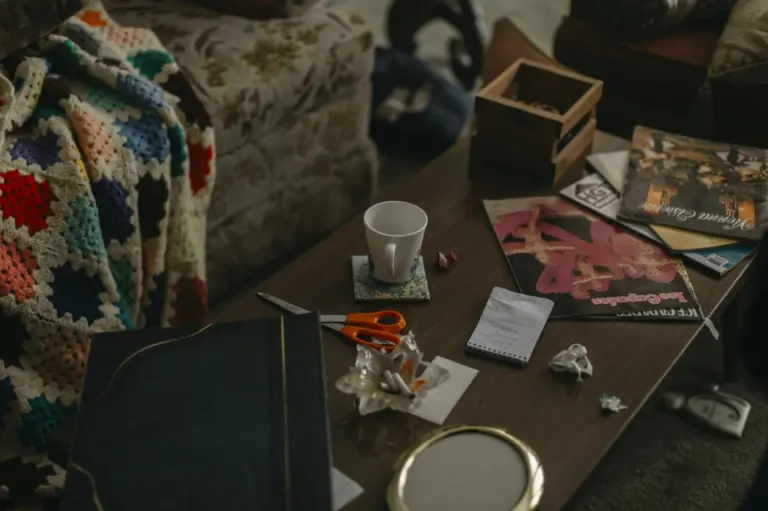
Clutter Is Information
A pile is not a character flaw. It may be showing us where a routine, environment, decision, or executive skill needs support.
Read what your clutter may be communicating →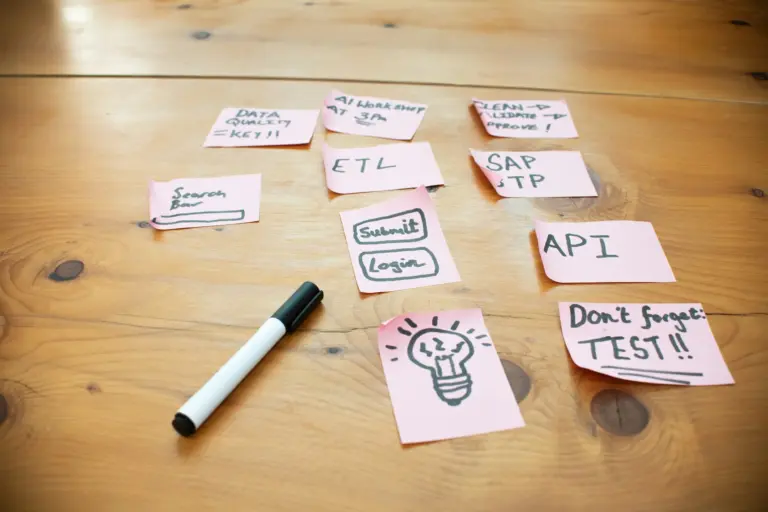
The Five Whys
The visible problem is not always the real problem. Asking better questions can uncover the source of the friction.
Find the problem underneath the problem →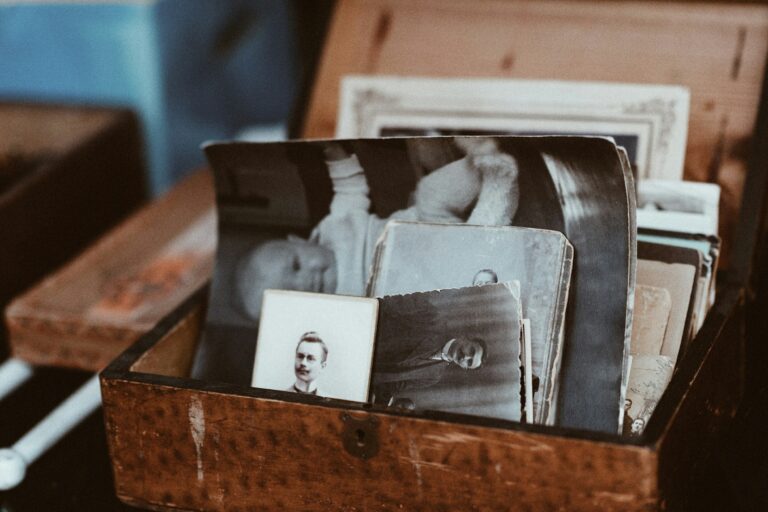
It’s Just Stuff—Until It Isn’t
Possessions can carry memory, identity, grief, and connection. Letting go deserves more care than “just get rid of it.”
Read why stuff is rarely just stuff →WHO WE HELP
Different needs. One goal: less overwhelm.
Cluttered Spaces provides compassionate, hands-on support when executive-function demands, a life transition, or everyday household responsibilities have become difficult to manage.
- Neurodivergent individuals navigating ADHD, autism, executive-function challenges, or sensory differences.
- Children, teens, and young adults building independence and daily-living skills.
- Parents and families overwhelmed by the demands of everyday life.
- Adults navigating divorce, relocation, a new baby, caregiving, retirement, or another major transition.
- People recovering from illness, injury, burnout, grief, or crisis who need help restoring household function.
- Anyone who feels stuck and needs practical, respectful support to create systems that work.
You don’t have to figure it out alone.
Tell us what feels hard right now. We will help you identify a realistic place to begin.
Not sure which support fits? Explore our services to see how coaching, hands-on help, and daily-skills support can work together.
Start a Conversation