Games Provide the Structure—School Expects Students to Build It
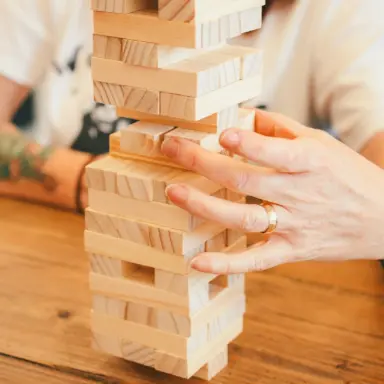
The worksheet may contain only ten questions. But completing it can require far more than answering ten questions.
A student may need to find the assignment, understand the directions, estimate time, locate materials, ignore notifications, choose where to start, monitor progress, tolerate uncertainty, check the work, and submit it in the correct place.
The academic content is only one layer. Around it sits an additional assignment: managing the work.

Why a short assignment can feel like a big job
Imagine a history assignment: read two pages, answer three questions using evidence, and upload the document. Your teen opens the portal, finds the questions, then discovers the reading is in a different place. The submission instructions are somewhere else again. They have not answered anything yet, but they are already managing several jobs.
That mental workload is sometimes called cognitive load. Keeping track of directions and decisions uses capacity your teen also needs for learning. A clear place for instructions and a visible sequence can make the work easier to navigate. They still have to understand the history.
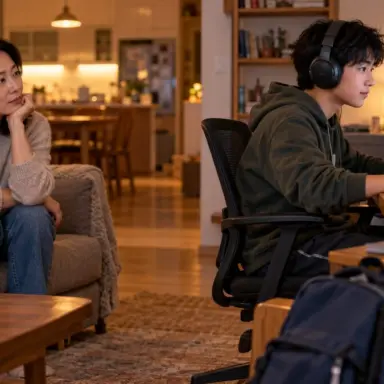
Many games keep objectives or progress visible, although games differ and some are confusing too. Teachers also provide structure in many different ways. The useful comparison is between the supports available in this game and this assignment. Why gaming focus can look different from homework focus explains the broader picture.
Before: work out what the assignment asks
Sit beside your teen with the actual instructions. For this example, you might say, “It looks like there are three answers, and each needs evidence from the reading. Can you show me where the reading is?” Your teen opens it; you help locate a missing link if needed.
Together, make a short note: read the two pages, answer the three questions with evidence, check the requirements, upload and confirm. Your teen chooses whether the note belongs on paper or beside the document. They also choose where to begin within the teacher’s requirements.
If the directions themselves are unclear, write down the question to ask the teacher. More pressure to get started will not explain an unfamiliar instruction.
During: keep a way back into the work
Your teen reads the first section and starts an answer. If they lose their place switching between the reading and the document, try keeping both visible. If they are unsure what counts as evidence, look at a teacher-provided example or help them ask for clarification. A difficulty understanding the material may call for teaching or tutoring.
Before a break, they leave a note: “Next: add evidence to answer two.” Agree on a return cue they are willing to use. If a question stops everything, decide whether they can mark it and continue elsewhere while waiting for help.
Your part may be sitting nearby for the first few minutes or being available at a planned check-in. Their part is doing the thinking and writing, with the support they need.
After: make the finish line visible
For this assignment, the check is specific: are all three answers there, does each include the required evidence, and is this the right file? Then your teen uploads it, presses submit, and checks the school platform’s confirmation before closing the assignment.
If the work still appears as missing or receives a zero, investigate the submission and teacher feedback before assuming the same problem happened again.
You can use the existing homework process map to follow another assignment. Find the last step that happened and the next place support is needed. The map should help you understand the task, not become another checklist of demands.
Teach the process, then adjust your part
The first time, you may need to demonstrate how to check the attached file. On another assignment, your teen can try while you are available. Later, they may use the same visible steps with less adult involvement. Ask what helped and what still felt difficult before changing the arrangement.
This is scaffolding: support that makes participation and practice possible. A checklist or accommodation can remain useful even when your role gets smaller. Planning a homework handoff together explains how to adjust help without leaving a gap.
Our teen executive function support guide connects these design ideas with a practical family plan.
The aim is a process your teen can find, use, and return to. Start with the assignment in front of you, and keep the parts that make it easier to do the actual learning.
For educational purposes only. Not a substitute for professional medical or mental health advice.
References & Further Reading
Center on the Developing Child at Harvard University. A Guide to Executive Function.
Centers for Disease Control and Prevention. ADHD in the Classroom: Helping Children Succeed in School. https://www.cdc.gov/adhd/treatment/classroom.html
Center on the Developing Child at Harvard University. (2019). How to Motivate Children: Science-Based Approaches for Parents, Caregivers, and Teachers.
Diamond, A. Executive Functions. Annual Review of Psychology. https://pmc.ncbi.nlm.nih.gov/articles/PMC4084861/