Movement Helps ADHD – But First You Have to Get Started
Movement can support attention, regulation, mood, and executive function. Learn how to make it easier to begin – and build flexible movement anchors that work with real life.


Movement can support attention, regulation, mood, and executive function. Learn how to make it easier to begin – and build flexible movement anchors that work with real life.

Executive function skills grow through ongoing supported practice. Learn how scaffolding, curiosity, and feedback help us build skills and direct our own efforts.
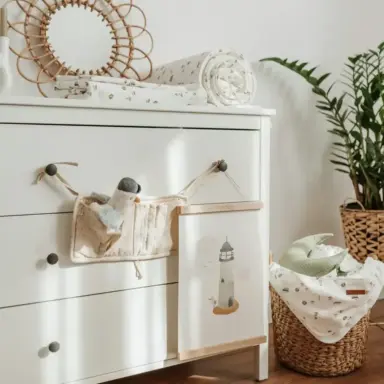
Build ADHD-friendly home systems with visibility, point-of-use storage, fewer steps, broad categories, and realistic recovery plans.
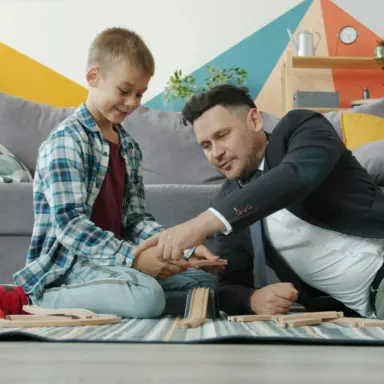
A playful, respectful ten-minute method that helps children make decisions about their belongings while adults provide structure, momentum and a trustworthy stopping point.
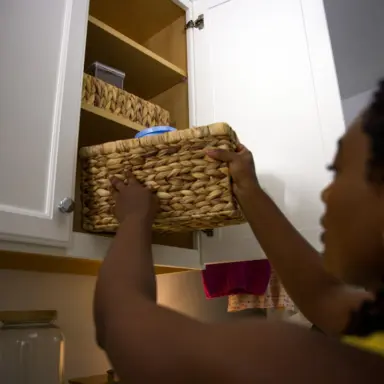
A home system is only successful if it still works after support leaves. Learn how to build maintenance, handoff, and restart plans that last.
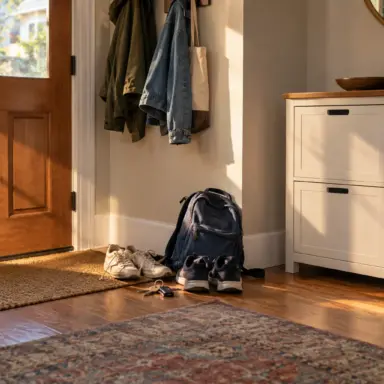
When organizing systems demand constant memory, decisions, and maintenance, they often fail ADHD and neurodivergent people. Learn how to reduce friction.
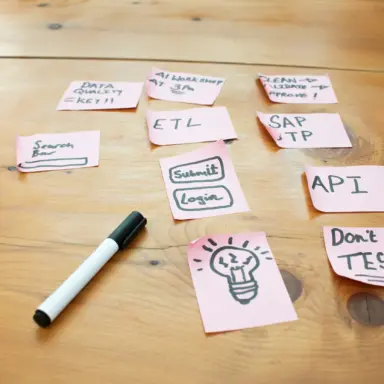
Use the Five Whys to look beneath recurring household and executive function problems, so the solution addresses the real source of friction.

Not sure whether you need a professional organizer, a therapist, or a home function coach? Learn how each role differs—and which kind of support may fit the challenges you face at home.
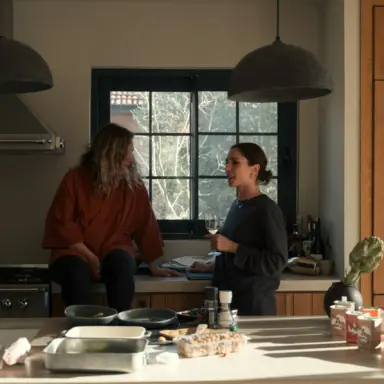
ADHD-friendly home organization can include hands-on help, coaching, and systems that make daily tasks easier to start and maintain in your Atlanta home.

Not sure whether you need a professional organizer or an executive function coach? See how each kind of support helps and where hands-on coaching fits.
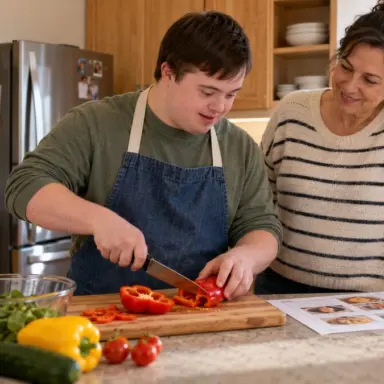
Independent living skills grow through practice, scaffolding, and the right support—not through being left to figure everything out alone.