Why Traditional Organizing Systems Often Fail ADHD and Neurodivergent People
When organizing systems demand constant memory, decisions, and maintenance, they often fail ADHD and neurodivergent people. Learn how to reduce friction.


When organizing systems demand constant memory, decisions, and maintenance, they often fail ADHD and neurodivergent people. Learn how to reduce friction.

Our belongings are physical things, but they can also carry memory, identity, love, guilt, and obligation. A more useful question than whether something is “just stuff” may be what it asks from us—and what it gives back.

Decision fatigue can make even small household choices feel impossible. Learn why it happens and how to reduce the load.

Grief, illness, and major transitions can disrupt routines and change what a home needs. Explore practical, compassionate ways to regain a workable starting point.
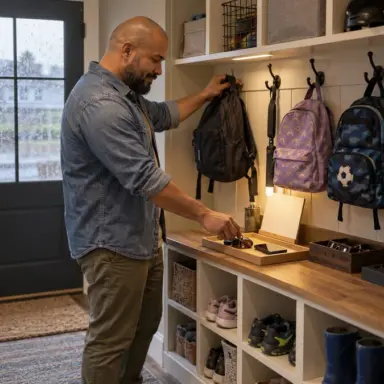
When your home relies on memory for every small task, daily life gets harder. Learn how visible cues and simpler systems can carry more of the mental load.

Clutter is often information—not a personal failure. Learn how piles can reveal executive-function barriers, unclear systems, and unmet support needs.